
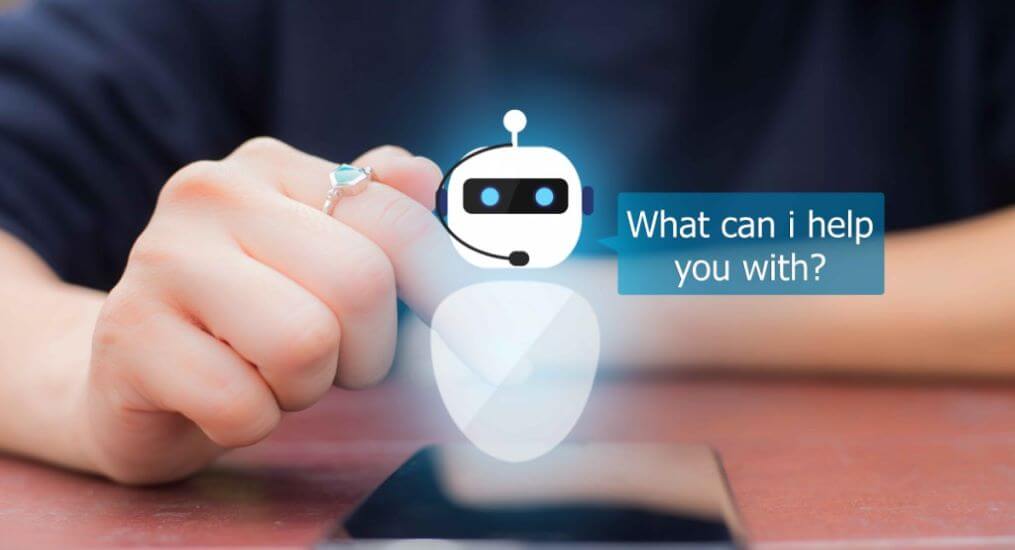
Chatbots earned a reputation over the years as a tool that businesses employ so they don’t have to talk to their customers. It can begin to feel like a company is trying to give customers the brush-off. The technology has evolved dramatically since then, with AI and machine learning making it so seamless that you often can’t even tell that you’re talking to a chatbot.
How are chatbots making business processes more human?
When Do Companies Need Chatbots?
Why are chatbots growing in popularity again in 2021? This popularity is mainly due to the sheer number of customer service inquiries the average company fields every year. Most companies don’t have the means or space to hire the sort of customer service team that they would need to handle all of those calls, chats, and emails. That’s where chatbots come in.
Big companies are already employing chatbots to take on some of the load. Avis, for example, can automate more than 70% of their customer inquiries. Dish Network uses chatbots to handle about 40% of its volume, or 4 million calls every year.
These chatbots for businesses are a blessing for large companies that have a massive number of customer interactions every single day. But are they worth the effort?
Teaching Empathy to a Machine
The ability to express emotions like sympathy and empathy is something that makes it easier to connect with your customers and make them feel like you really care about them. Until recently, that was out of reach for most chatbots.
Facebook managed to crack that code in 2020, giving their chatbot the ability to do everything from assuming a persona to showing empathy for the person on the other end of the conversation.
It’s proving to be more successful than people might have imagined. Program evaluators reported that they preferred to speak with a chatbot 49% of the time over speaking with a human customer service agent. Empathy might not be something you’re prioritizing for business process management, but for customer service, it’s essential.
The Impact of AI on Chatbots
One of the most valuable tools when it comes to using chatbots is the introduction of AI and machine learning. This industry is becoming a valuable tool for anyone utilizing chatbots or other similar programs. AI by itself will likely add $13 trillion to the global economy by 2030, and could potentially increase the global gross domestic product by 26%.
AI and chatbots will go hand in hand. Data is what gives these programs their ability to mimic human interaction. The more information they collect and sort through, the smarter they’ll become.
As they “grow,” for lack of a better term, they’ll be able to more accurately mimic the sort of person-to-person conversation that consumers might be expecting when they try to contact a company’s customer service. With enough information, it could even become impossible to tell whether you’re speaking with a person or a bot unless they tell you one way or the other.
Giving Them a Personality
One of the keys to creating the perfect chatbot is to give them a personality. Instead of leaving them with a single response to a given question, create a response bank that they can pick and choose from, depending on the tone of the situation and the emotion the customer is expressing.
If the person on the other side of the screen is angry, the bot can appear contrite and apologize. If they’re simply looking for some information, the bot can be more friendly and even witty, depending on your customer base.
Be careful with this personality, though, especially if the program is learning from the interactions. In 2016, Microsoft introduced a chatbot that Twitter corrupted in less than 24 hours by turning it into a miserable, bigoted personality that the company eventually had to take offline.
You want your chatbots to learn from their interactions, but you don’t want them picking up bad habits.
The Future of Chatbots and Business Process Management
The population is continuing to grow. As it does, the need for customer service grows with it. Making these agents more human will make them more useful in the long run. But as Microsoft discovered, there’s a fine line between a useful bot that’s fun to talk to, and a bot that learns all the wrong habits. Usefulness must come first.
Image Credit: Fingent
